What does range safety really mean? Everyone talks about it a lot and thinks they are observing it. And, why is range safety so important? Range safety is every single person’s responsibility. It’s not only the range owners responsibility. It’s not only the gun club’s responsibility. It’s not only the other person at the ranges responsibility. If you are touching the gun, you are responsible for EVERYTHING that happens with it. Your gun handling can mean the difference in whether someone lives or dies. The stakes are very high and “casual gun handling” simply isn’t an option. Are you part of the solution or part of the problem? Don’t know? Lets ask the following questions and read about each of them below.
Here are some points to think about:
- Do you walk around in the bay with the gun in your hand?
- Do you show your firearm to others without paying attention to what’s around you or the safe direction?
- Do you follow all posted safety rules? Do you know where those rules are at your range?
- Do you clear ALL firearms before going down range? The safety on isn’t enough!
- Do you make sure everyone else clears their firearm before anyone goes down range?
- Do you know what to do if someone is down range?
- Are you a certified Range Safety Officer?
- Do you teach the rules to others or refuse to shoot around others because of their lack of safety adherence?
- Do you understand what trigger finger discipline looks and acts like?
- Do you handle your gun in gun handling areas only?
- Do you give anyone attitude if they try to talk to you about your gun safety?
- Do you only shoot occasionally and learned from a family member?
- Did you learn all you know about a gun from the military?
- Can you list at least 3 gun safety rules without prompting? Anything?
- Do you really understand what a safe direction is when handling your firearm?
- Have you EVER taken a class or lesson with a certified instructor?
If any of these questions give you pause or you aren’t 100% sure of the answer, or you know you are doing one of them incorrectly, then you are part of the problem, not the solution. Range safety should be thought about like a religion. We adhere to our religion everywhere we are, in every situation, and observe it and teach it to our children. I’ve heard numerous people say they refuse to shoot with other people because of other’s bad safety habits. Uh huh. Then they get on the range with me and my teaching team and get some schooling as they are a habitual abuser of every safety rule while preaching about how good theirs is. This hasn’t happened just once or twice. It happens often. So, lets dive into all of the questions above and see how you stack up. There’s no one next to you judging you. So, if you learn something or several things, please be humble enough to grow in your firearms education and get some training so you can be part of the solution and help others be part of the solution as well!
Do you walk around in the bay with the gun in your hand? When you are just walking around back and forth to your target in the bay, you are pointing your firearm in unsafe directions. A safe directions means that should your firearm discharge there is something substantial enough to stop the bullet! So, walking back from the target you are pointing it probably down (at your feet and legs) or waggling it back and forth and then when you get close to the bench it comes up and pointed out of the bay. This is not okay. Nor is it the sign of someone that knows and understands safe gun handling. It’s the sign of an amateur, a novice. Either clear your firearm, lock the slide back and bench it OR holster it. Those are the only 2 options. Uncomfortable with a gun on your person in a holster? Take a class about it and learn the correct way to perform this task.
Do you show your firearm to others without paying attention to what’s around you or the safe direction? Everyone wants to show off a pretty pew pew! But, there are several considerations. One, is there anyone between you and the backstop? Two, are you in a small office or room? Three, is it loaded?! Four, if out in the open, are there others around that you could muzzle with the gun? I’ve seen all of these in the guise of just wanting to show it to someone. 1. Someone wanted to show a gun off at a gun event where I was monitoring safety. This nice gent reaches into a holster and unholstered the gun when I yelled (very loudly) “BACK IN THE HOLSTER!!!” He started giving me grief when I stopped him. Is the gun loaded? YES. I thought so. And I and these other gents are between you and the backstop. Please step forward, unholster, unload and show clear and then we can all admire your beautiful gun! 2. I was in the office at the gun club with several people (including board members) when one of the board members takes his gun out of the holster to show it to someone!!! Same drill as up above! If someone is pulling a gun out of a holster there is an assumption that it is loaded! And since most people don’t have good trigger finger discipline it gets very scary, very quickly. He was told to please go to a shooting bay, take it out in a safe direction, unload and show clear, then show it off. 3. A club member brought a rifle to the shotgun area showing it off. The bolt was closed and a magazine was in the gun. The proper way to walk around with any long gun is that the action is open and you carry it presenting out so anyone can see the gun is unloaded. 4. In the shotgun area again, a person that is a Range Safety Officer, had a pistol out showing it to someone else. With children running all around! It was a 4H work day so people were everywhere. When confronted, they gave a lot of attitude. So, go to a pistol bay and show it off. This is NOT the time nor place to do what you are doing. See the pattern here? I’m safe and would never endanger anyone with my stellar, exemplar gun safety so the rules don’t apply to me. Just those other people that don’t know what they are doing. This is arrogance and bad attitude and stupidity. How many children had a gun pointed at them in the guise of just showing it to someone. 1 is too many! It’s not worth taking a chance. Tom Givens says “if your fiddle farting around with the gun, unload it”.
Do you follow all posted safety rules? Do you know where those rules are at your range? Most ranges and clubs have a written set of rules that every member or attendee receives a copy of. And must sign that they have received them and have read them. You probably know where this is going by now… I carry a copy of the rules around at all times so when I’m at the gun club they are always right where I can get to them. They are also posted in every bay on metal signs! And communicated in numerous emails. So what are recent examples of things that have happened? People violating caliber rules in a steel bay. People violating smoking area rules. People shooting at target stands to hear a ping. People using bird shot at the rifle range sighter boards. People using rifle calibers in the pistol bays, etc. These are just a few from the last few months. Do people not read the rules they are signing? Do they not understand? Do they not care? Or, do they think the rules don’t apply to them? Every reason is a big safety concern!!! The smoking policy is there and likely going to a no smoking policy because of drought conditions, county fire marshall declarations and property owner wishes as the gun club is leasing land. All it takes is one small incident to become a huge raging fire in the piney woods creating a fast moving wildfire. Caliber restrictions in a smallish steel bay are there explicitly to keep that activity safe. I’ve been in the bay next door and had shrapnel come over the metal structure and onto my truck parked behind the metal structure. Clearly they were in violation of a caliber rule which I already knew based on the decibel level coming from that bay. Using rifle calibers in a pistol bay tear up the backstops over time creating a big safety issue with degradation. And, don’t ask me how many pistol bullets I’ve found lying on the ground in the shotgun fields because people don’t understand safe direction and are firing over the top of the backstops somehow… Using bird shots on the target boards in the rifle area completely shred that expensive material and aren’t serviceable for the rifle shooters that frequent that area. The rules at any facility are set by people wanting to have a high safety standard. But all the safety rules in the world don’t mean a damn thing if people disregard them or don’t want to follow them. If you don’t want to follow those rules, go buy your own land and do what you want there. But please build a big dirt wall.
Do you clear ALL firearms before going down range? The safety on isn’t enough! I see guns on benches with people down range all the time! When I see this, I hover and check the status of each firearm laying there. I love to see chamber flags in empty chambers signaling that this firearm is unloaded and clear. Sadly, most are still loaded and some of those actually have the safety on. Now, I agree that a gun is an inanimate object that needs intention from a user to go bang. And said guns aren’t going to jump up on their own accord and send a round downrange. But, if you are at the targets and someone else comes up and picks up your gun then what? It could be a child or someone that doesn’t understand range safety. Get in the habit of leaving your firearm in the absolute safest condition possible before going downrange. A note on the safety switch; it is a mechanical part that can break. Using the safety is no substitute for improper gun safety handling.
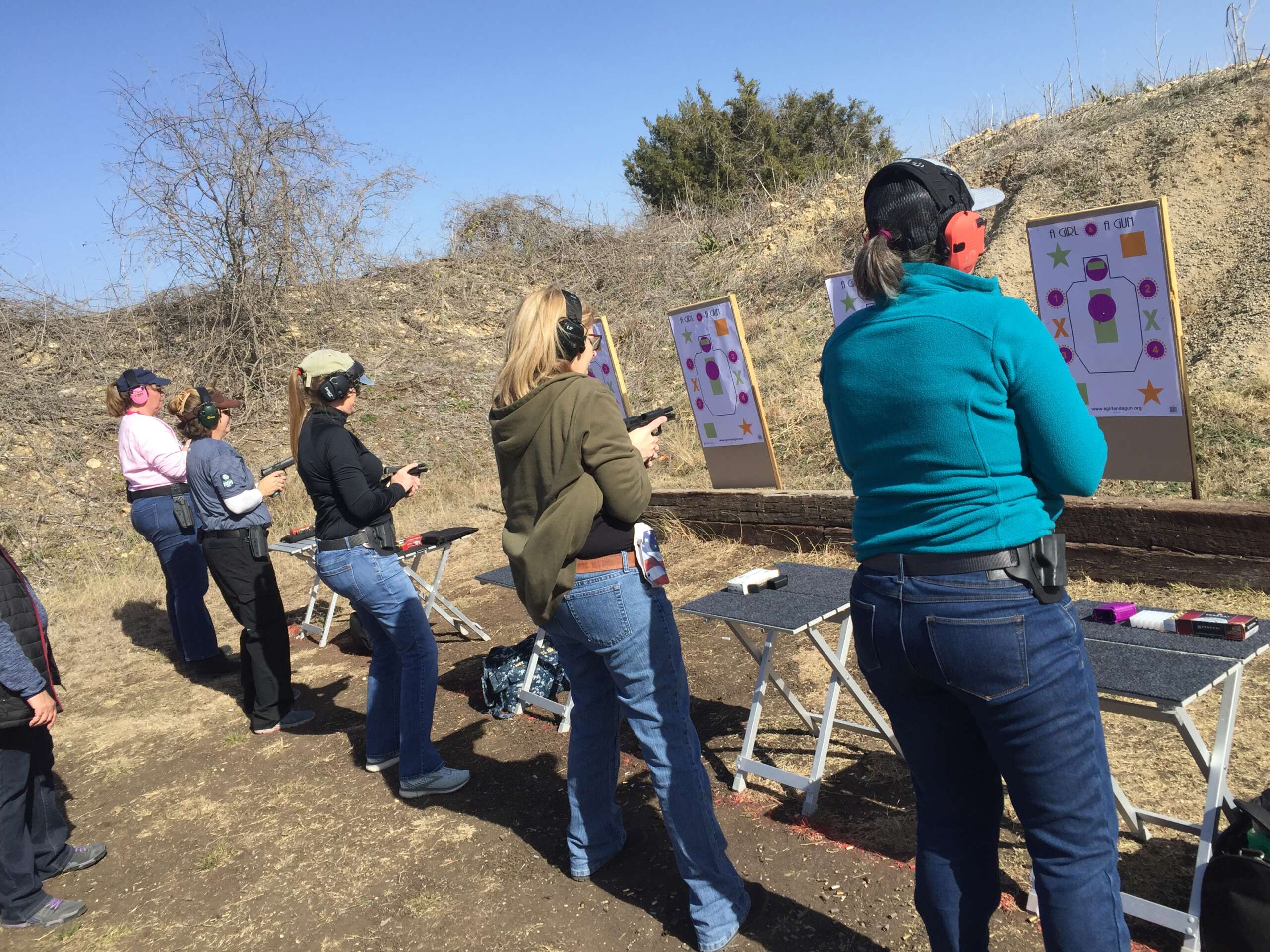
Do you make sure everyone else clears their firearm before anyone goes down range? If someone is downrange, every single firearm on the firing line needs to be unloaded, action open, laying down with ejections ports up and NO ONE touching any firearm until everyone is back from downrange. Any handling of any firearms while anyone is downrange is not only dangerous! It’s negligent, stupid, amateur and makes anyone an instant dipshit. If someone else doesn’t want to do that then please go shoot in another area. Or tell the club or range management so someone can come help educate them. Or kick them out.
Do you know what to do if someone is down range? Nothing! Check your email or text messages or something. No gun unloading from your car. No twiddling with scope turrets or red dot adjustments. No wiping the firearm down or maintenance. No picking your gun up or anyone else’s gun up. No nothing that involves touching your firearm. If someone is downrange it’s best to think of the guns on the bench as having a force field around them and you can’t get close. Step back and load magazines perhaps. Or return that phone call that just came in. Give the person downrange the courtesy of NOT having a gun in someone’s hand and pointing at them.
Are you a certified Range Safety Officer? Did you know that anyone wanting the knowledge can become a certified Range Safety Officer? It doesn’t have to be used for a job or anything. This course is a deep dive into the safety rules, gun handling, clearing malfunctions, what to do in an emergency and more. And, being a certified RSO can give you the language to help others understand safe gun handling better, keeping all of our communities safer and more enjoyable. The NRA Range Safety Officer course is one intensive day learning about all kinds of guns and their actions, loading them and unloading them, clearing malfunctions and more. We teach this class often in our academy and it can be found on our events page. This is a great way to be part of the solution!
Do you teach the rules to others or refuse to shoot around others because of their lack of safety adherence? I heard this from someone recently that he didn’t ever go shooting with anyone else because he doesn’t like others safety. Uh huh. Remember the paragraph before about this? I asked him how many opportunities to make safer shooters has he passed up? And how many good times and memories he didn’t have with friends because of his refusal to teach them to others? The safety rules when observed make every shooting experience more enjoyable. We should be teaching them to others. His attitude let other’s habits go on for how long? Through how many generations? It makes my brain hurt.
Do you understand what trigger finger discipline looks and acts like? Okay, this one is a biggie! Trigger finger discipline is one of the most important things we can learn about and teach. Proper trigger finger placement when not engaged with a target is in high register or up on the slide above the trigger guard. None of the finger should be visible in any part of the trigger guard, regardless of which side you are looking at. There is a physiological reason this is stressed. We have an intralimb response that happens when startled or we trip and fall, etc. Both hands come up and start to clench. And, what one hand does, the other mirrors. So, if a finger is anywhere near the trigger and a startle response happens for any reason, the gun is going bang! Think of the high finger position as the “Home Position”. It’s where the finger lives unless you are actually engaged in making a shot on your target. So, 95% of the time, our finger is in the home position. Get used to keeping it there. Develop automaticity around that skill. And keep it there when holstering, unholstering, holding the gun, etc.
Do you handle your gun in gun handling areas only? This has already been discussed in an earlier point. But, make sure you are only handling your gun in gun appropriate areas. Shotguns only at the shotgun areas, rifles only at the rifle bay and pistols and pistol calibers only at the pistol bays per range or club policy. If handling more than one type of gun in a bay, keep a strict firing line and all guns stay on the line. People can move around but the guns can’t. Absolutely no gun handling behind the firing line. Uncase guns at the line and then move cases back. This ensures that every time you’re touching a firearm, it’s pointed in a safe direction (as long as no one is downrange). Handling guns behind people violates the most important safety rule of “ALWAYS keep your firearm pointed in a safe direction”.
Do you give anyone attitude if they try to talk to you about your gun safety? Remember, no one is there judging you as you read this. So, ask yourself if you are willing to learn from others or if you know better than anyone else. If you “know better than anyone else around you” then you aren’t willing to learn. And that means a bad attitude. And bad attitudes and guns are as dangerous together as alcohol and guns. Anyone can slip up. And anyone should be able to take direction from another when it involves a safety violation. It might be an issue of education. You learned from your dad or grandfather or favorite uncle. Or the military… These people all mean well but likely weren’t really educated properly in it. They likely also shot occasionally or seasonally and also learned from another family member or friend. Seek safety training from someone that operates at a very high level as they have eagle eyes about safety and want to educate others, not bark orders. Gun safety is an area where everyone should want to “level up”.
Do you only shoot occasionally and learned from a family member? It’s easy to get complacent and think you’ve remembered what you need to do to be safe handing your firearms. But, people forget, get distracted, are nervous, remember incorrectly, etc. If you only shoot occasionally, your safe gun handling is probably not all it can be. Proficiency in anything is gained with regular use and practice. Infrequent activity means you don’t even stay where you were, you fall behind in every area. And, if you learned from a family member, YAY! What great memories! But, they might not have given you a complete picture or known it themselves. Yet, they shared what they knew and passed it on to you. That’s amazing and special. It’s now your duty to level up and help others do the same.
Did you learn all you know about a gun from the military? Unless you were in special operations, the gun handling you did in the military does not make you an expert or a good shot or knowledgeable about gun safety. Ex soldiers with a swagger around their firearms that can actually lay down a good target and handle their gun safely are a rare thing. Most think that the “expert” knowledge given to them in the military means they are an expert on all things gun and safety for the rest of their life even if they rarely touch one. These people are everywhere! And they love to tell you about that one expert shot they took that was amazing 30 years ago validating them as an expert in the field. They have a decent foundation but haven’t used it for decades perhaps. That hardly makes them an expert. Lots of things have changed in our industry over the last few years. Stance and grip have changed a lot in the last 10 years. And, now with pistol mounted optics, technology is also changing things in our industry. Safety has sharpened up quite a bit as well! And, the ways that actual firearms have changed in the last 5 years is completely amazing! Be willing to learn and explore more. Be willing to understand that what you learned in the military may no longer be the industry best practices.
Can you list at least 3 gun safety rules without prompting? Anything? When asked this question, students often say “don’t point it at anyone” or “point it downrange” While an important thing to observe it’s not exactly right and do you have a range at home? Probably not. We also don’t want to point it at our own hands, arms, legs, feet, heads, up high where a discharge sends it out who knows where, or down where a ricochet can cause injury, death or damage. The NRA has a set of 3 rules that I describe as a magic formula to get to the number of negligent discharges we want: ZERO. There are several sets of rules out there but I love the rule of 3. It’s easier to remember. And unlike the other sets of rules, the NRA rules are affirmative commands, not negative language that confuses the issue. Here they are: 1. ALWAYS keep your firearm pointed in a safe direction. 2. ALWAYS keep your finger off the trigger until ready to shoot (that means immediately engaging with a target). 3. ALWAYS keep your firearm unloaded until ready to use. I don’t care how you round robin with these rules, if you observe them, the chance for a negligent discharge is ZERO. There are other sets of rules like the 4 universal safety rules and the 4 rules at Gunsite. I posit that these muddy the waters somewhat and some of them confuse the issue which is what we don’t want when it comes to range safety. Whichever set of rules you want to follow, really research and understand them. Memorize them. Live them. Observe them. Teach them to others. Teach them to your children and family. Our safety rules are the religion in the gun world.
Do you really understand what a safe direction is when handling your firearm? It was discussed in an early section. A safe direction means should I have a unexpected discharge is there something substantial in the path of the bullet that will stop it without injury, death, property damage, etc. This question of safe direction is relatively easy to answer at the range. Aim squarely at your target which is in front of a dirt backstop. But, what if there aren’t side berms at the range? Or the backstop isn’t very high? These ranges take extra attention to ensure that we are pointing in a safe direction. Now, lets take this concept away from the range. Safe direction is actually a very fluid thing once you leave the range. Do you know the safe direction in your home when handling, cleaning, casing or removing firearms from the safe to load in the car? What about conceal carrying out in public? Is your firearm situated in such a manner that you will muzzle yourself (or body parts) or other people in the act of drawing the gun? How about when you go to the bathroom? Can you keep your firearm pointed in a safe direction while “using the facilities”? Do you just leave your gun in your purse in the main compartment? If so, you can’t control safe direction OR if something gets into the trigger guard and depresses the trigger. Safe direction matters in every single situation. It’s your gun, you are responsible for everything that happens with it.
Have you EVER taken a class or lesson with a certified instructor? Okay, here’s my plug for taking a formal class with a certified instructor. A certified instructor has received a lot of extra training. They have certifications and insurance, like a plumber or electrician. They are able to diagnose issues, educate on safety, help you with fundamentals and take you farther in your journey. The money spent with an instructor is worth every single penny. It will make you a competent, confident and responsible gun owner that understands and observes the safety rules. Every instructor I know is interested in building assets in their community, not liabilities! Not only will you learn a lot, it will be an enjoyable experience.
Why does safety matter so much? Why should we have such strict rules around safe gun handling at the range or anywhere else? Because the stakes are very high! The safety rules literally are the difference between life and death. And it’s our responsibility as gun owners to learn, understand, know, observe them and teach them to others. If the gun is in your hand, YOU are responsible for everything that happens with it.
Our classes such as NRA Range Safety Officer and much more can be found here.